
Building Online Communities - A Technical Guide

Lana Daniel
27 Jan 2026 · 3 min read
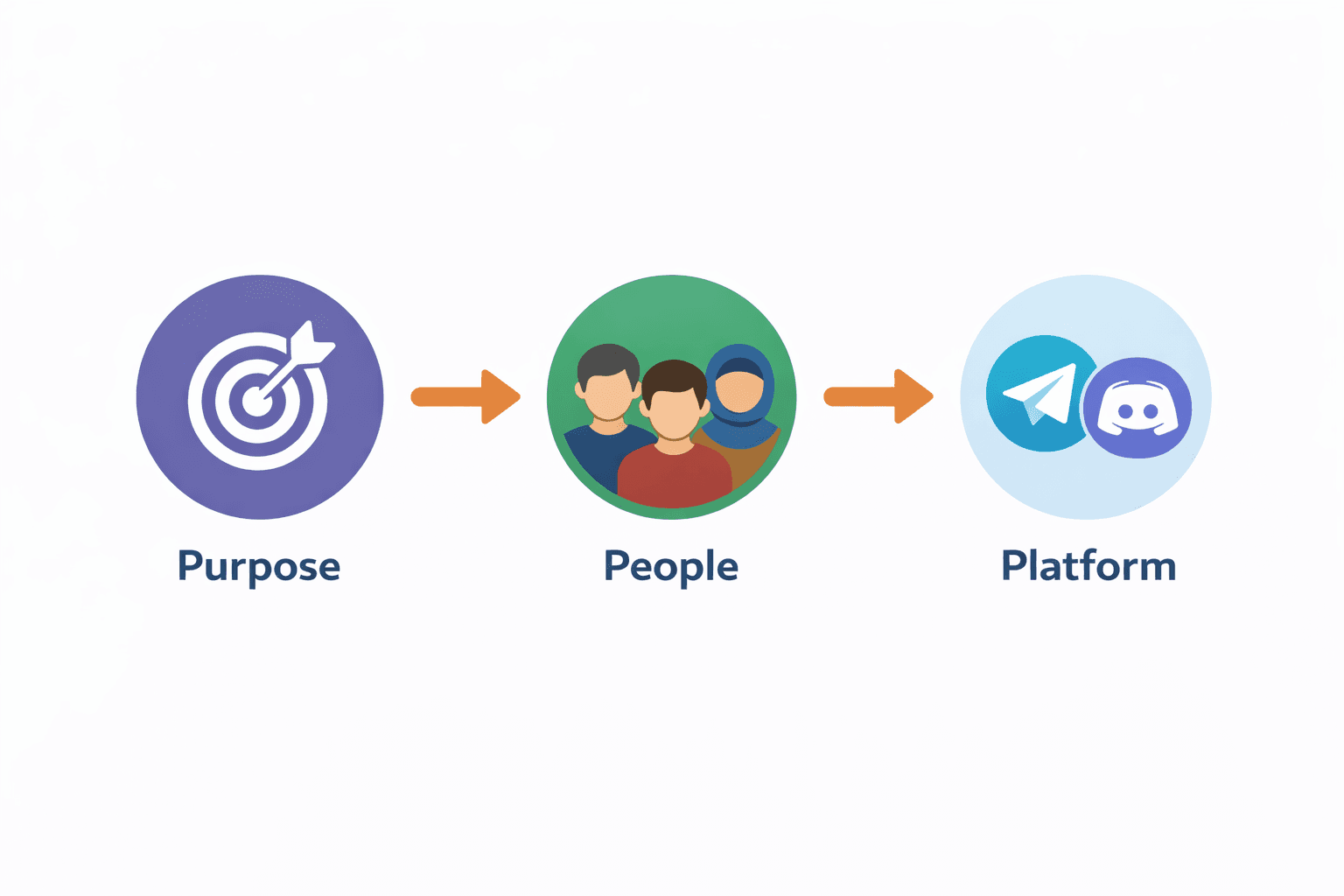
Online communities have evolved into core infrastructure for digital businesses. For UK-based creators, educators, founders, and operators, communities now serve as persistent engagement layers that sit between audience acquisition and revenue generation.
This guide outlines a practical, platform-focused approach to launching, structuring, engaging, and monetising online communities using Telegram, Discord, and HopMembers, focusing on scalability, automation, and operational control.
Why Communities Matter in the UK Digital Ecosystem
The UK market is characterised by high platform saturation and declining organic reach across mainstream social networks. While X, Instagram, and TikTok remain effective for top-of-funnel acquisition, they are not designed for retention, access control, or revenue predictability.
Online communities address these limitations by providing:
- Persistent access to users
- Direct communication channels
- Controlled distribution of premium content
- Recurring revenue mechanisms
From a systems perspective, a community functions as an owned environment layered on top of third-party discovery platforms.
Step One: Community Definition and Scope
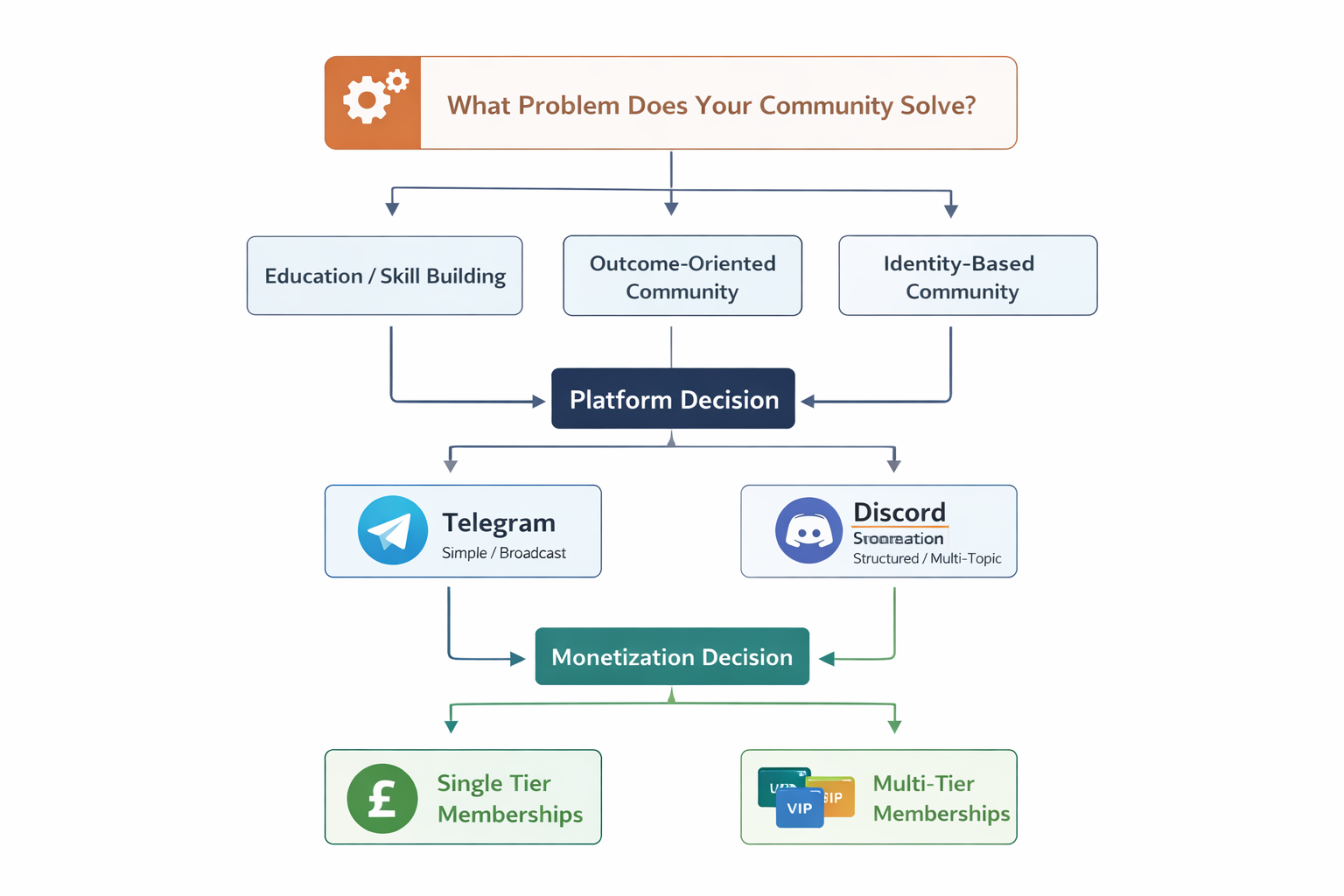
Before selecting tooling, it is necessary to define the functional scope of the community.
Key questions include:
- What problem domain does the community operate within
- What level of interaction is expected between members
- What outcomes justify ongoing membership
Technically successful communities tend to be outcome-driven rather than content-driven. Examples include skills acquisition, signal-based information delivery, professional networking, or guided learning.
Clear scope definition reduces churn and informs platform selection.
Step Two: Platform Selection and Architecture
Telegram
Telegram is suitable for communities that prioritise speed, reliability, and broadcast efficiency.
Typical use cases include:
- Signal distribution
- Alerts and updates
- Instructor-led education with limited peer discussion
Strengths:
- Simple onboarding
- Strong mobile performance
- High message delivery reliability
Limitations:
- Minimal native structure for complex discussions
- Limited moderation tooling at scale
Discord
Discord supports more complex community architectures.
Typical use cases include:
- Multi-topic discussions
- Role-based access
- Cohort-based learning
- Technical or developer communities
Strengths:
- Channel-based organisation
- Granular permissions
- Strong engagement tooling
Limitations:
- Higher onboarding complexity
- Requires deliberate community design to avoid fragmentation
In many implementations, Telegram is used for announcements while Discord handles interaction.
Step Three: Membership Control and Monetisation Layer
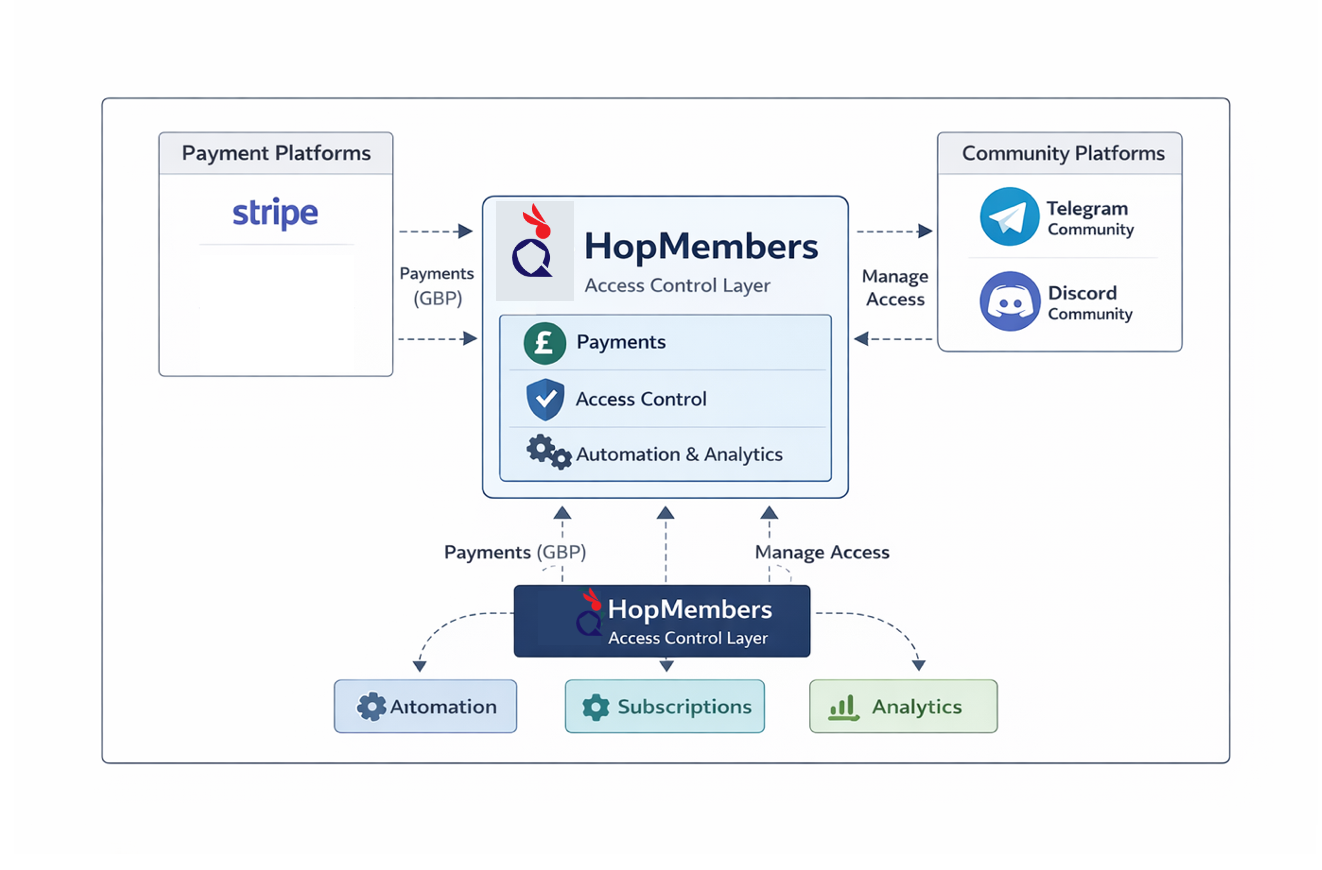
Telegram and Discord do not provide native subscription management, payment processing, or automated access control. This introduces operational risk when managing paid communities manually.
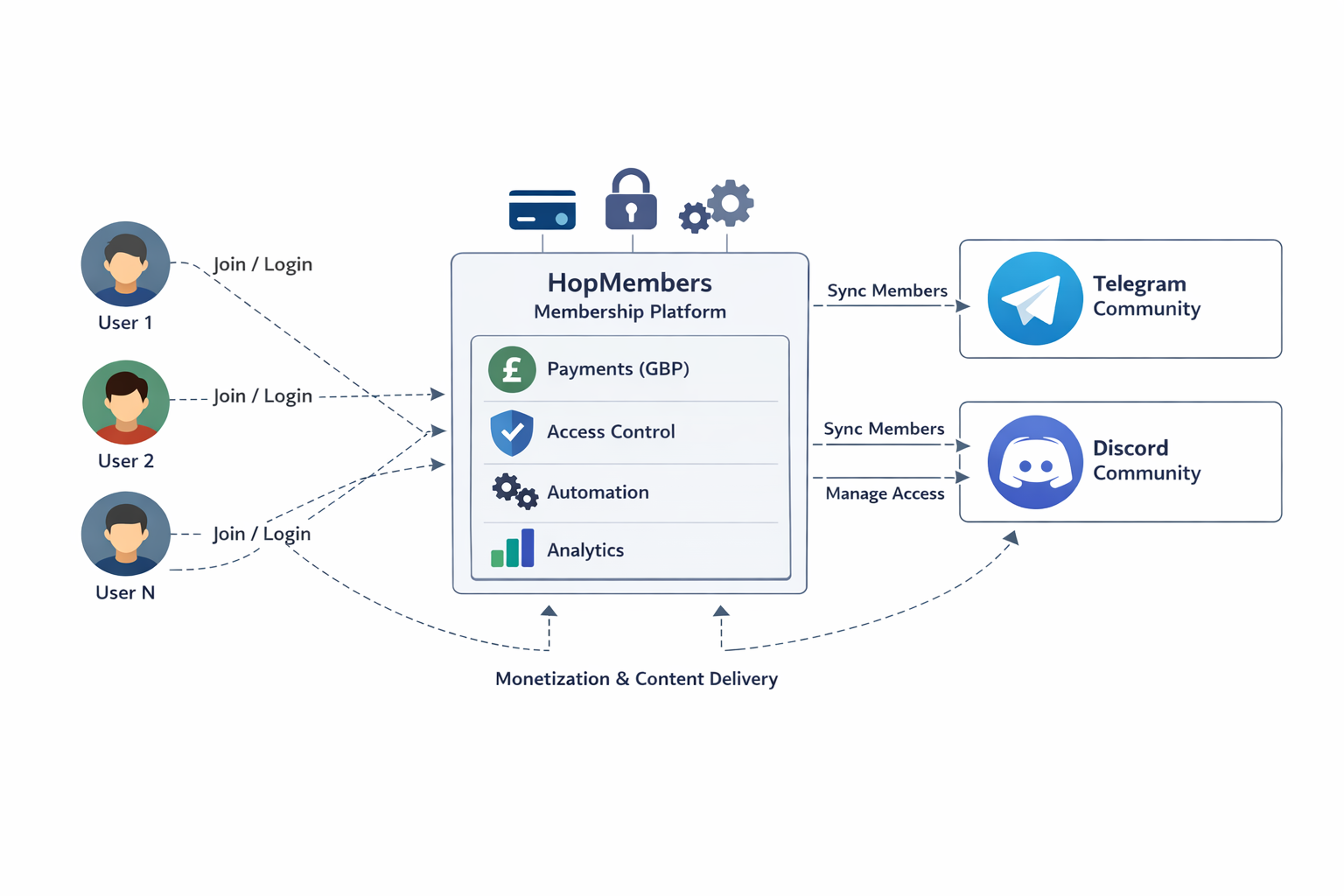
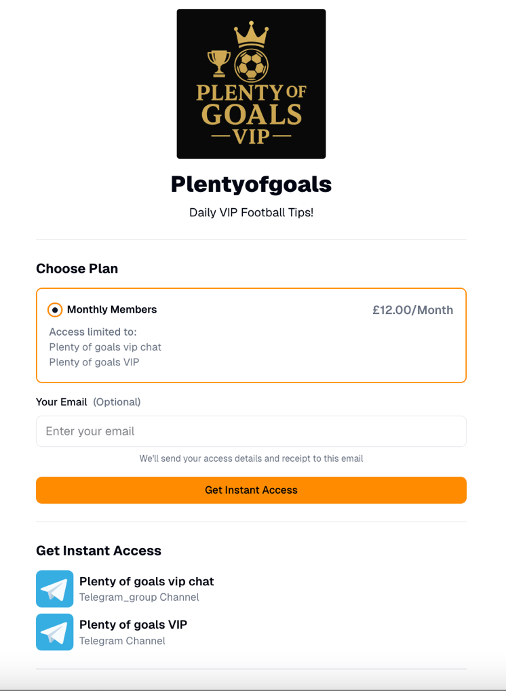
HopMembers functions as an external membership layer that integrates with both platforms.
From a technical standpoint, HopMembers enables:
- Subscription-based access control
- Automated member onboarding and removal
- Payment processing in GBP
- Centralised member and revenue management
This separation of concerns allows Telegram and Discord to handle communication while HopMembers manages identity, access, and billing.
Step Four: Engagement as a System Process
Engagement should be treated as an operational process rather than an ad hoc activity.
Effective communities implement:
- Scheduled discussion prompts
- Structured live sessions such as AMAs or workshops
- Polling and feedback loops
- Role-based incentives and recognition
The objective is to design interaction pathways that encourage member-to-member communication, reducing dependence on the operator as the sole source of activity.
Step Five: Monetisation Models and Scaling
Common monetisation structures include:
- Recurring monthly or annual subscriptions
- Tiered access levels/multiple channels
- Paid events delivered within the community
- Private groups or mentorship layers
HopMembers supports these models without requiring changes to the underlying Telegram or Discord structure, enabling experimentation and iteration with minimal disruption.
Conclusion: Communities as Infrastructure, Not Content
For UK-based digital operators, online communities should be viewed as infrastructure assets rather than marketing experiments.
Telegram and Discord provide communication primitives. HopMembers provides the control plane required to operate communities as sustainable systems.
As platform volatility increases and audience acquisition costs rise, owned communities represent one of the most defensible and scalable assets in the digital ecosystem.
The long-term advantage will belong to operators who design communities with structure, automation, and monetisation in mind from the outset.


